
Dental Articles - Toronto
Coordination of Benefits: Using the Canadian Dental Care Plan With Your Private Work Insurance
Posted by 2000 Yonge Dental on Wed, 4 Nov 2026
New to our Toronto dental office with CDCP and workplace insurance? Learn how coordination of benefits works, what to bring to your first visit, and how 2000 Yonge Dental helps you understand coverage before treatment.
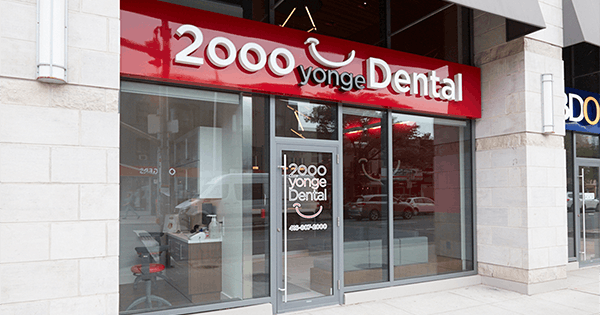
If you are a new patient in Toronto and you have more than one source of dental coverage, your first appointment can feel confusing. You might be enrolled in the Canadian Dental Care Plan (CDCP) while also carrying dental benefits through your employer, your spouse’s plan, or a retiree package. In other cases, one family member uses the CDCP and another relies on private insurance—and you want everyone treated at the same dental office.
At 2000 Yonge Dental, we help Mid-Town and North Toronto patients understand how these plans work together through a process called coordination of benefits. This article explains what that term means, how it may apply when CDCP and private insurance overlap, and what you can do before your visit so billing is clear from the start.
What Is Coordination of Benefits?
Coordination of benefits (COB) is the standard method insurers use when a patient is covered by two or more dental plans. Instead of paying the same claim twice, the plans follow rules to decide which coverage pays first (primary) and which may pay toward any remaining eligible amount (secondary).
COB does not mean you will receive double payment for the same service. It means your eligible dental costs may be shared between plans according to each policy’s terms, annual maximums, and exclusions. The goal is fair coverage while preventing duplicate reimbursement.
Every plan has its own rules. Our team can explain how we submit claims at our office, but your insurer remains the final authority on what it will pay. When in doubt, check your policy booklet or call your benefits administrator.
Why This Matters for New Patients in Toronto
Many people searching for a dentist in Toronto are not starting with a blank insurance slate. You may have:
- Recently become eligible for the CDCP while still holding limited retiree or supplemental coverage
- CDCP for yourself and private insurance for your partner or children
- Employer dental benefits that cover dependents, while a senior parent in your household uses the CDCP
- Changed jobs or retired mid-year, leaving you with questions about which plan is active
Sorting this out early helps you plan treatment, avoid surprise out-of-pocket costs, and use your benefits thoughtfully. If you are still enrolling in the CDCP, our step-by-step CDCP guide walks through eligibility and your first covered visit at our office.
CDCP and Private Insurance: How They May Work Together
The CDCP is a publicly administered plan with its own covered services, co-payment structure, and eligibility requirements. Private dental insurance through work or a group plan has separate limits, deductibles, and covered procedures.
When both apply to you, a few general patterns often come up—though your situation may differ:
- Coverage verification: We confirm active enrollment in each plan before estimating your share of costs for recommended treatment.
- Primary payer: One plan is usually designated to process the claim first. Which plan is primary depends on insurer rules and your employment or family status—not on which plan you prefer to use.
- Secondary claim: After the primary plan responds, the secondary plan may cover part of the remaining eligible balance, up to its own limits and subject to its exclusions.
- CDCP co-payments: Depending on your income bracket under the CDCP, a co-payment may apply to certain services. Private plans do not always cover CDCP co-payments; your policy will specify.
- Non-covered services: If the CDCP does not cover a procedure, your private plan might still cover it if the service is listed in your benefits—again, subject to annual maximums and waiting periods.
Official CDCP rules and covered services can change. We recommend using Government of Canada resources for the latest plan details and asking our team for a written estimate before non-emergency treatment. Our fees follow the Ontario Dental Association fee guide, which provides a provincial standard many Toronto families use when comparing treatment estimates.
What to Bring to Your First Visit
As a new patient, the most helpful step you can take is to bring complete insurance information for every plan that might apply to you or your dependent. Please have the following ready:
- Government-issued photo ID
- CDCP confirmation letter, card, or enrollment reference (if applicable)
- Private insurance card(s), including policy number, plan administrator name, and subscriber ID
- Employer or insurer contact information, if you are unsure which plan is primary
- A list of medications and relevant medical history
Completing our new patient forms online before you arrive saves time at the front desk and lets us begin verifying benefits sooner. For a broader overview of parking, transit, and what happens during your exam, see our first visit guide.
How Our Team Handles Billing at 2000 Yonge Dental
When you register, tell us about every active plan—not just the one you expect to use most often. Our administrative team will:
- Record each policy and subscriber information accurately
- Verify eligibility when possible before your appointment or at check-in
- Explain, in plain language, how we expect claims to be submitted for the treatment your dentist recommends
- Provide a cost estimate for non-emergency care that reflects known coverage and any patient portion
We follow the Ontario Dental Association fee guide for our fees. We cannot guarantee what an insurer will pay—that decision rests with each plan. We can, however, help you ask the right questions and document your coverage so you can make informed choices about timing and sequencing of treatment.
Common Scenarios We See in Mid-Town and North Toronto
You have CDCP and a small retiree dental plan
Retiree benefits often have low annual maximums but may still help with services outside CDCP coverage or with portions not paid by the primary plan. Bring both cards even if the retiree plan looks minimal.
Your spouse’s work insurance covers you, and you also qualify for CDCP
Insurers use COB rules to determine primary coverage. Tell us about both plans at registration; do not assume the CDCP is always primary or always secondary.
Your child is on your employer plan; a grandparent in your care uses CDCP
Each person’s claims are handled under their own subscriber policy. One household can have multiple coordination setups. Our team reviews benefits per patient, which is one reason families choose a single office for multi-generational care.
You changed jobs recently
Coverage start and end dates matter. If one plan terminated and another began, note the effective dates on your forms so claims are sent to the correct insurer.
Planning Treatment With Two Plans
When you have annual maximums on a private plan, it can make sense to prioritize urgent needs first and schedule other care across the benefit year. Your dentist will recommend care based on clinical need, not insurance timing alone. We will never pressure you to accept treatment. We will explain options, estimated costs, and how coverage may apply so you can decide what fits your health goals and budget.
Questions to Ask Your Insurer
If you want extra clarity before a larger procedure, consider calling your plan administrator with questions such as:
- Which plan is primary for me when I have CDCP and employer or retiree coverage?
- Does my private plan cover CDCP patient co-payments?
- What is my remaining annual maximum this benefit year?
- Are there waiting periods or exclusions for the procedure I am considering?
Write down reference numbers and the name of the representative you speak with. That information helps if a claim needs follow-up later.
Start With Clear Information
Coordination of benefits sounds technical, but the practical takeaway for new patients is simple: disclose all active coverage, bring your documents, and ask questions before treatment. That approach reduces stress and supports predictable planning—whether you are commuting from Yonge-Eglinton, Davisville, or elsewhere in North Toronto.
2000 Yonge Dental welcomes new patients with CDCP coverage, private insurance, or a combination of both.
Call (226) 212-8088 or book online to schedule your first appointment. We look forward to helping you understand your benefits and your oral health in equal measure.
Dentist Toronto
